
Analyze, structure, and take actions to raise the bar for Design in our team
Project summary
I want to share how we transformed the way we work and raised design maturity in the Investment Services team.
Before this role, I worked as a Senior Designer in Wholesale Shared Experiences. There, Design and Business worked closely together. We could easily move from product strategy to releasing features. When I was promoted to Staff Product Designer and moved to Investment Services, things were very different. We faced a big team shortage: just 3 designers (2 Mid-level, and me) for 4 Release Trains and 34 squads. Because of this, we could only support a limited number of squads directly.
My goal was clear: create a plan to raise design quality and impact across the team, while still handling daily tasks
1. Goals & action plan
To make my goal clear to everyone, I set a main objective: analyze, structure, and take actions to raise the bar for Design in our team. So I focused on three main areas:
Supporting and mentoring our designers.
Building strong partnerships with Product and Business leaders.
Teaching and aligning design practices with Engineering.
2. Supporting designers & building streamlined processes
Our designers were managed under Technology management, so they lacked functional design leadership and guidance. I stepped in to build a clear support system:
Routine Support: set up weekly 1:1s for career guidance, weekly design syncs, individual mentoring, and brought designers into broader executive meetings.
Clear Documentation: To save time and avoid extra meetings, I created a DesignDoc + PRD template in Microsoft Loop to share with Product Managers. In Figma, I built reusable components based on our main Design System, helping to create consistency too.
Handoff Standards: set clear rules for when work is ready to start (DoR) and ready to ship (DoD) with Engineering. Every Figma handoff linked directly to the bank’s official Design System documentation.
This helped developers work faster and with fewer questions.
3. Working with leaders & spreading Design culture
At the same time, I built bridges across departments:
Leadership Meetings: I held weekly 1:1s with Product Managers, monthly meetings with our Superintendent (Head), and actively joined product planning sessions.
Short Training: We ran short CX training sessions for engineers, especially backend teams who rarely or never worked with designers.
Scaling Up: To reach more people, we created and ran a full Design Workshop, with theory and hands-on.
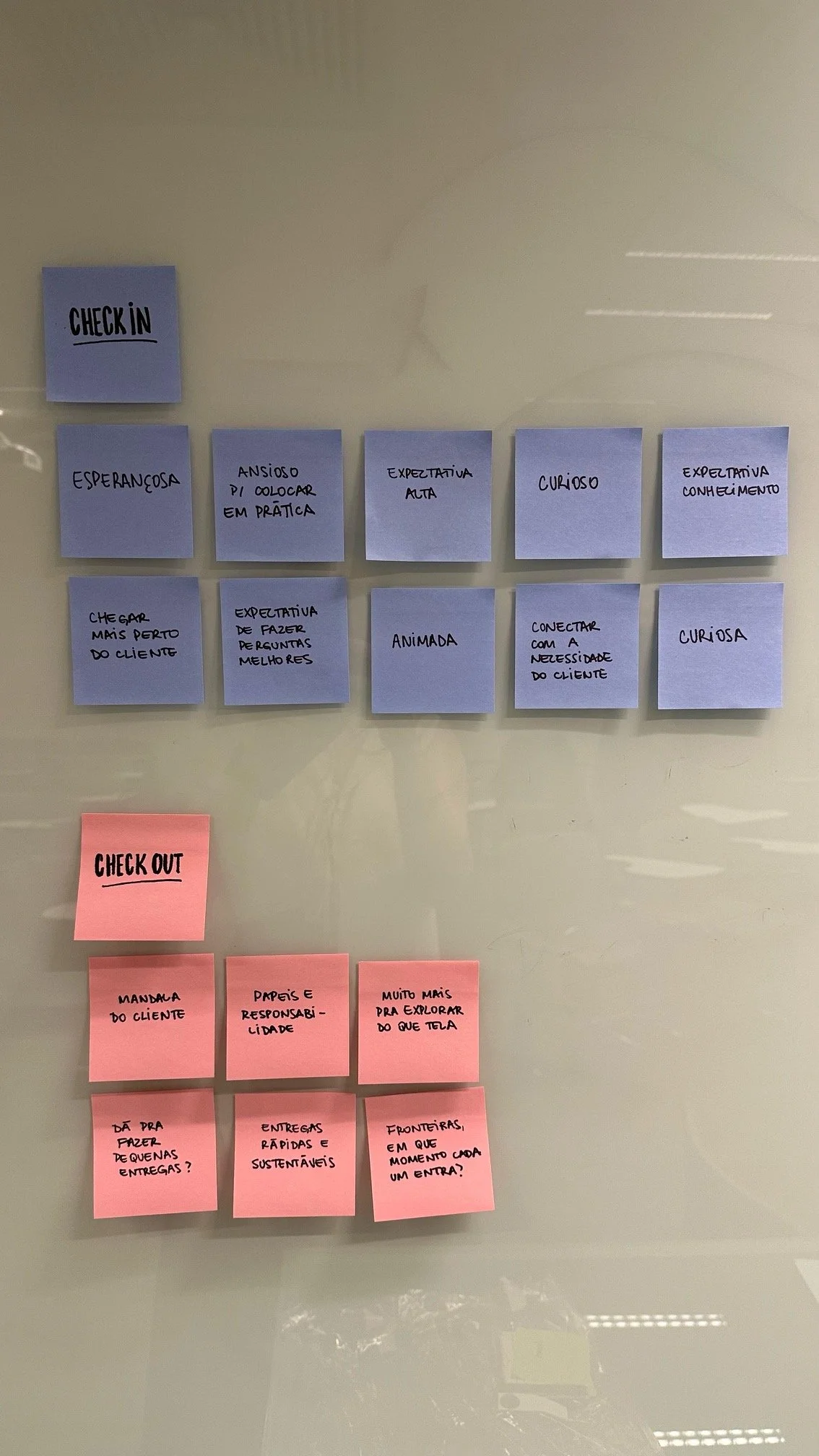
4. Design workshop — Impact & mindset shift
The workshop made a huge difference:
100+ people joined across 16+ hours of content, split into 4 sessions with full of theory and hands-on.
We scored an 88 CSAT and an 88 NPS, with almost no negative feedback.
The Real Impact: Many Product Managers and Engineers realized for the first time that Design is not just about making UI. They learned that designers can lead discovery research and help make better product decisions.
5. Proving value I — Customer research & AI
Working closely with Commercial teams helped us spot a big gap: understanding how our main institutional clients actually use our investment data portals.
Research: We interviewed 10 clients (over 12 hours of talks) and invited business partners to watch.
AI Tool: To save weeks of manual work, I built a simple AI agent in M365 Copilot/Teams to analyze the recordings. It automatically summarized main points and pulled out key quotes.
Results: We found key customer insights that the Commercial team had been trying to get for over 6 months. This proved that Design adds real business value.
6. Proving value II — Shaping future system architecture
Our designers were managed under Technology, so they lacked functional design leadership and guidance. I stepped in to build a clear support system:
Routine Support: set up weekly 1:1s for career guidance, weekly design syncs, individual mentoring, and brought designers into broader executive meetings.
Clear Documentation: To save time and avoid extra meetings, I created a DesignDoc + PRD template in Microsoft Loop to share with Product Managers. In Figma, I built reusable components based on our main Design System, helping to create consistency too.
Handoff Standards: set clear rules for when work is ready to start (DoR) and ready to ship (DoD) with Engineering. Every Figma handoff linked directly to the bank’s official Design System documentation.
This helped developers work faster and with fewer questions.
Measurable results & team efficiency
After 10 months of work, I saw clear results:
+50% more invitations for designers to join Product Discovery phases.
-30% drop in requests for UI-only execution work.
Clear handoff standards, making product delivery faster and smoother across all teams.
Summary & legacy
Looking back at these almost 2 years leading this area:
We built strong key partnerships across Business and Engineering.
We used company-wide changes to drive local culture change.
We permanently raised the value of Design, turning around a team that had low design maturity for 4 years.